Understanding Cervical Health
Early detection accuracy
Minutes — full screening
Cervical Cancer
99% linked to HPV
Nura detects precancerous changes early
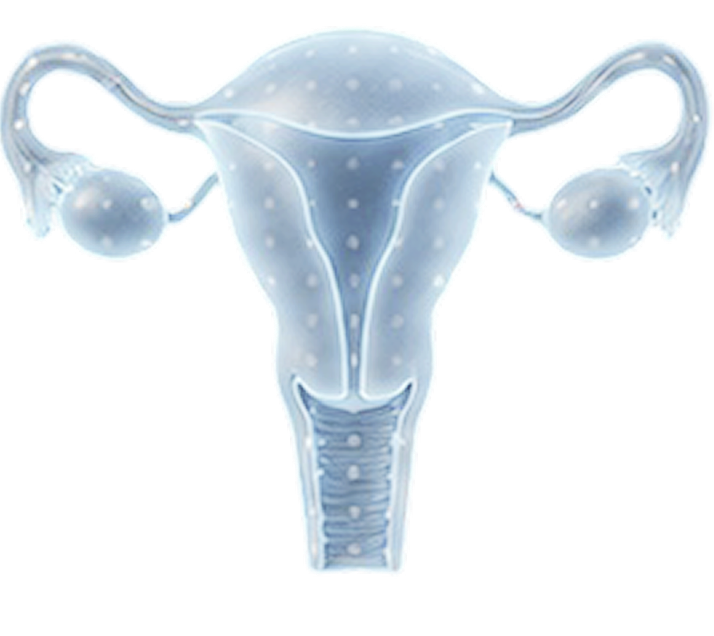
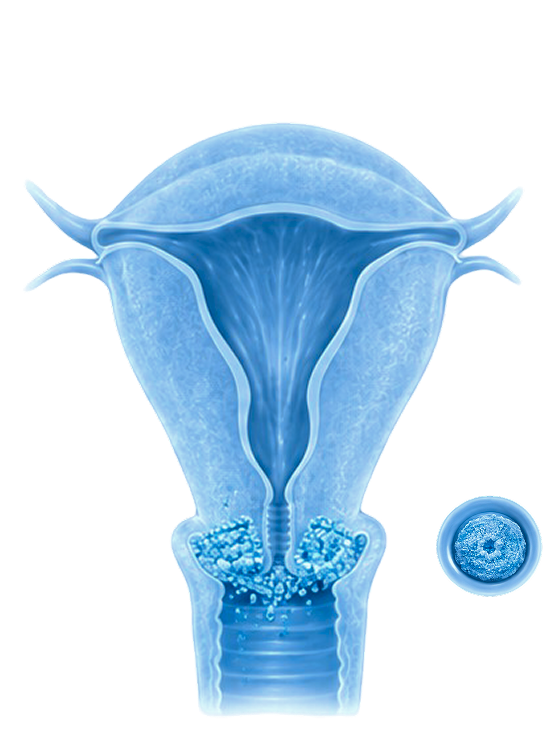
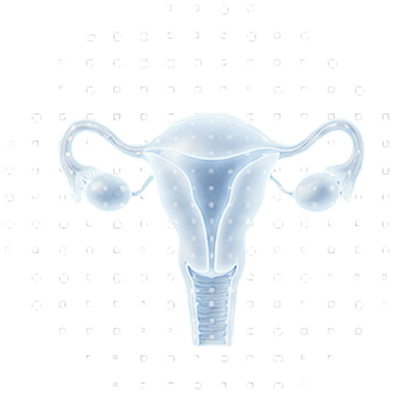
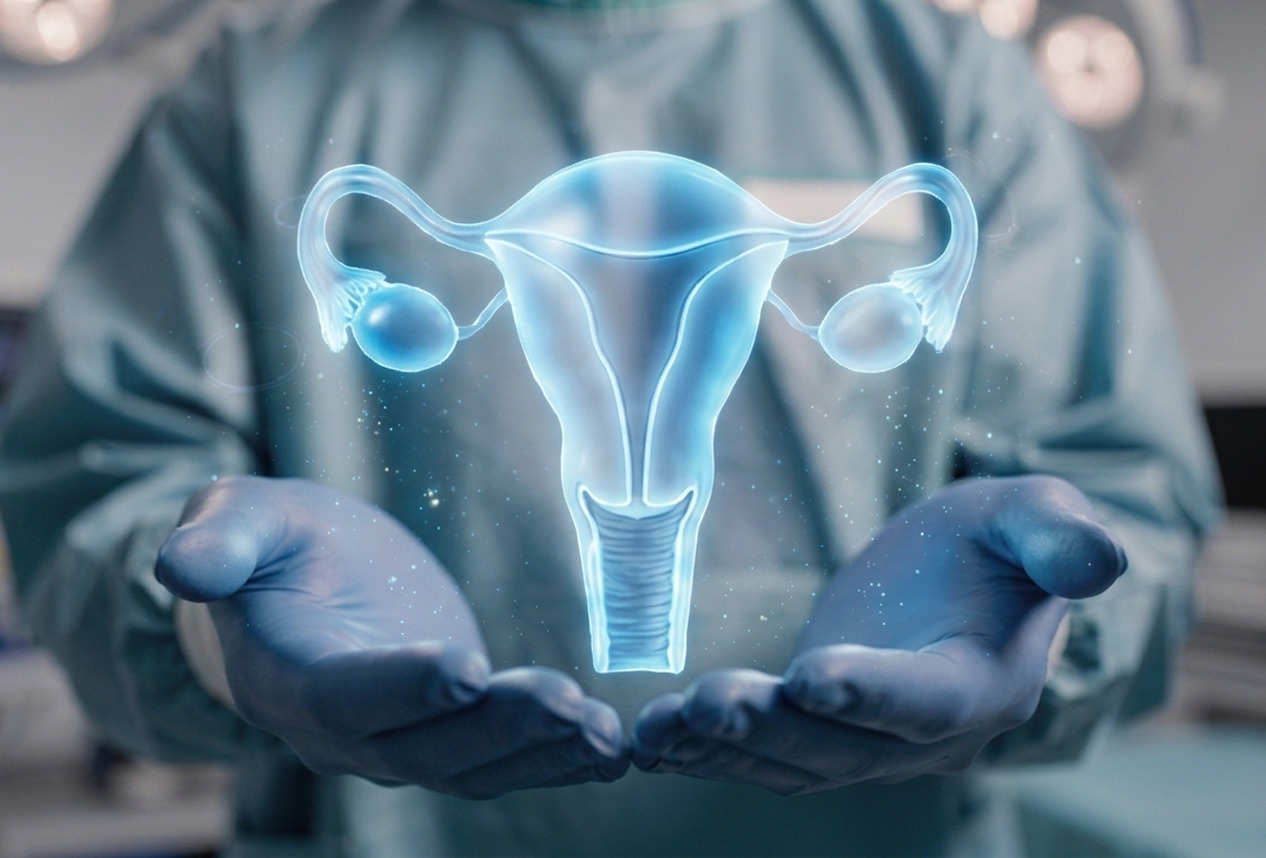
Cervical cancer develops in a woman’s cervix (the entrance to the uterus from the vagina). 99% of cervical cancer cases are linked to long term infection with the extremely common, but high risk, human papillomaviruses (HPV), which is transmitted through sexual contact. Although the HPV vaccination reduces the possibility of developing cervical cancer later in life, regular screening is a must as the vaccine does not protect against all types of the virus. It is the second most common cancer among Indian women. It can be easily prevented, as it has a long pre-cancerous phase which can be detected if women screen themselves regularly.
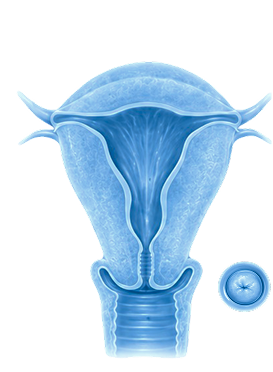
How Cervical Cancer Develops?
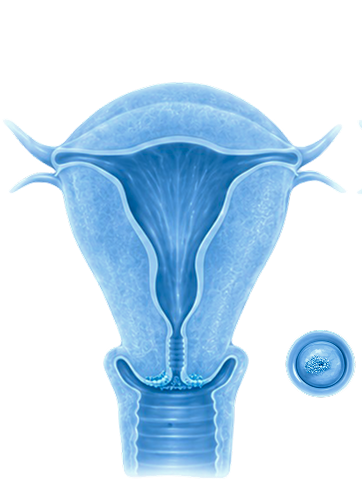
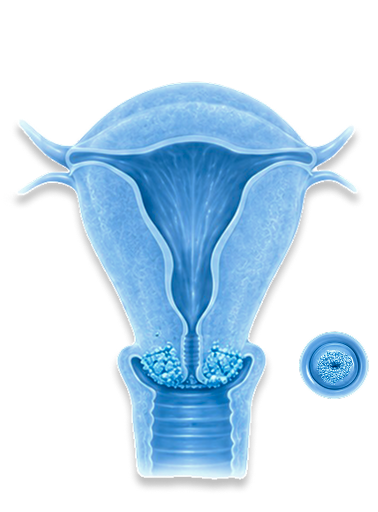
Stages of Cervical Cancer
Cervical cancer often develops without obvious symptoms in the early stages, which is why regular screening is crucial for early detection and better outcomes.
- Stage - Localised
Spread beyond the uterus
Cancer has grown beyond the uterus to nearby tissues and the upper part of the vagina.
- Stage - Regional Spread
Pelvic wall involvement
The cancer has spread to lower part of the vagina and pelvic wall. It has caused kidney issues and affects nearby lymph nodes.
- When cervical cancer is found at Stage I or II, the chances of successful treatment are dramatically higher. Nura’s advanced screening helps detect precancerous changes and early-stage cervical cancer — giving you peace of mind and better outcomes.
Risk Factors
Several lifestyle and environmental factors can significantly increase your risk of Cervical cancer. Know them early.
- Multiple sexual partners either for the woman or her husband increases the risk of cervical cancer
- A persistent HPV infection, A persistent HPV infection,
- Sexual intercourse at a young age increases the risk of developing cervical cancer
- Giving birth to many children can increase the risk of cervical cancer
- Tobacco consumption in any form, increases your risk for cervical cancer
- Woman with immune system deficiency, because of other factors such as HIV/AIDS, immunosuppressive drugs, organ transplants
Nura Recommends :
Early screening is the smartest way to protect yourself. Nura’s advanced low-dose CT with Japanese Ai can detect lung issues years before symptoms appear.
- Start screening at age 35, or earlier if you have any of the above risk factors
- Annual screening gives the most accurate picture of your lung health
- No fasting, no preparation — quick and comfortable walk-in screening
- Get expert-reviewed reports on the same day
Screening for Cervical Cancer
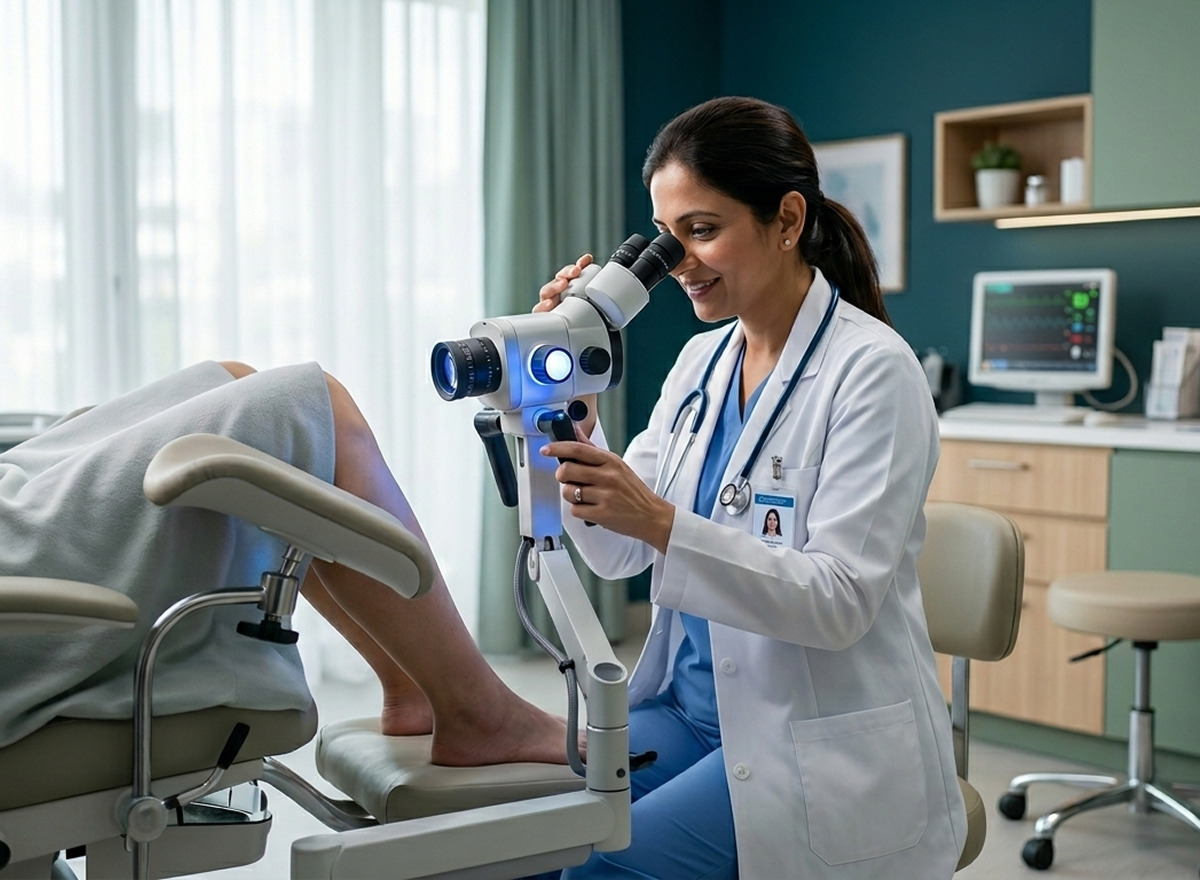
At NURA we screen for cervical cancer using Colposcopy. A PAP Smear is the traditional way of screening for cervical cancer, but it has the possibility of being inaccurate.
During a colposcopy the doctor closely study the cervix with a colposcope, a special magnifying instrument with a bright light, that allows for quick and accurate diagnoses. We use an AI based dual fluorescence colposcope which uses blue light in addition to regular light to increase the visibility and accurately identify early stages of cancer. This is a highly sensitive screening tool.
Know what's happening inside your body
Explore your healthy screening results across 12 vital health parameters.
Lung Health