Understanding 
Prostate Health

Your prostate is a vital gland in men’s reproductive system. Nura’s advanced screening detects early signs of prostate cancer through PSA testing, enabling timely intervention and better outcomes.
0 %

Early detection accuracy

0

Minutes — full screening

Prostate Cancer

Most common cancer in Indian men over 50

Nura’s PSA screening catches prostate cancer early

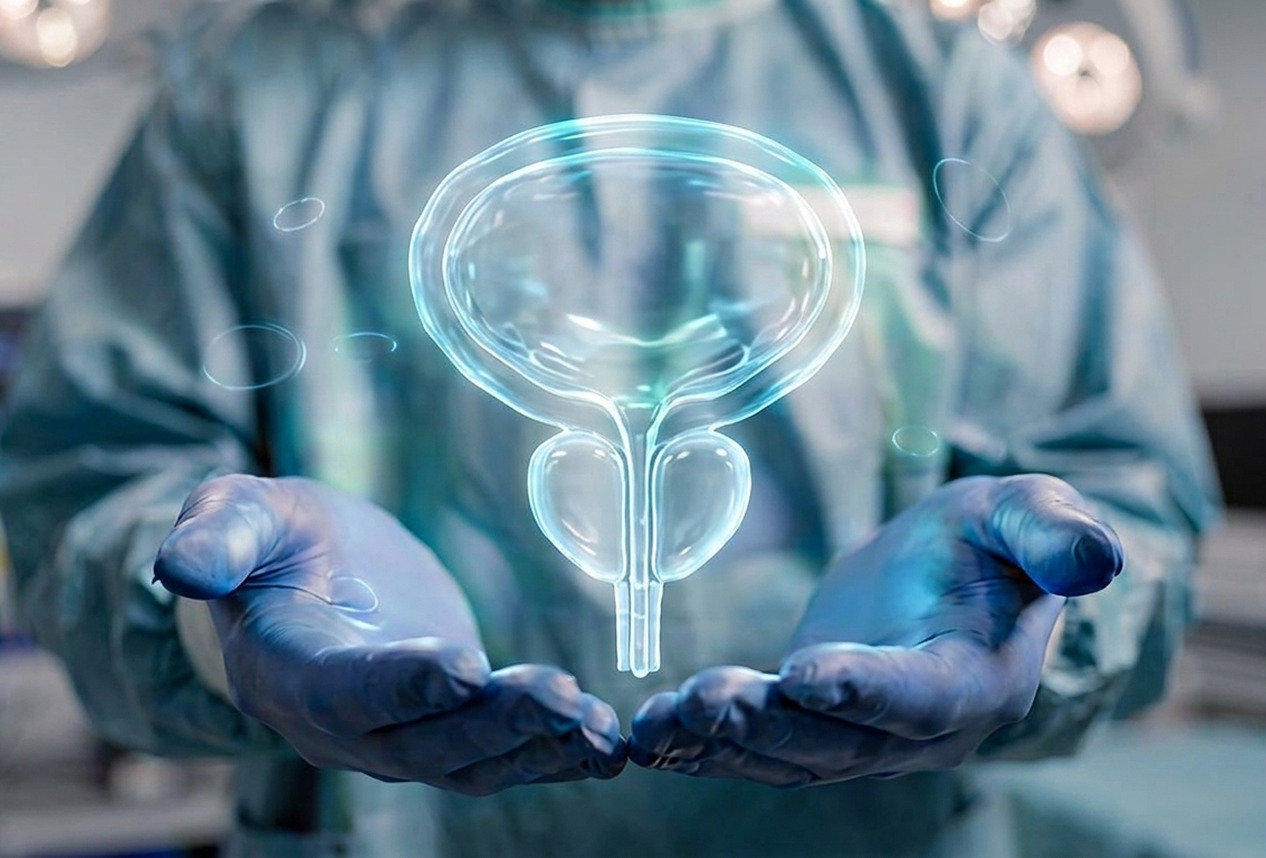
The prostate is a small walnut-shaped gland present only in men that produces the seminal fluid that nourishes and protects sperm. At NURA, as part of the screening for Prostate Cancer we test for abnormal levels of Prostate Specific Antigen, a protein produced by the prostate.

Key Facts About Prostate Cancer

Stages of Prostate Cancer

Prostate cancer often shows no obvious symptoms in the early stages, which is why regular screening is crucial for early detection and better outcomes.

Confined to the prostate

Cancer is limited to the prostate and PSA levels are less than 10

Still within the prostate

Cancer is limited to the prostate but PSA levels are between 10 and 20

Spread beyond the prostate

 Cancer has spread beyond the outer layer of the prostate and may have spread to the seminal vesicles. The PSA can be any level.

Metastatic

Cancer has spread to seminal vesicles to nearby organs, lymph nodes and bones. PSA can be any level.

Risk Factors

Several lifestyle and environmental factors can significantly increase your risk of Prostate cancer. Know them early.

Nura Recommends :

Early screening is the smartest way to protect yourself. Nura’s advanced low-dose CT with Japanese Ai can detect lung issues years before symptoms appear.

Screening for Prostate Cancer

Prostate Specific Antigen (PSA) Test
A blood test called a prostate specific antigen (PSA) test measures the level of PSA in the blood. PSA is a substance made by the prostate. The levels of PSA in the blood can be higher in men who have prostate cancer. The PSA level may also be elevated in other conditions that affect the prostate.
As a rule, the higher the PSA level in the blood, the more likely a prostate problem is present. But many factors, such as age and race, can affect PSA levels. Some prostate glands make more PSA than others.

Know what's happening inside your body

Explore your healthy screening results across 12 vital health parameters.

Need help scheduling an appointment? We can get in touch with you.


Choose your preferred city

Chat with Nura's AI Assistant AI Chat
Call at +91-7310494949 Call
NURA AI Assistant