Understanding Blood Health
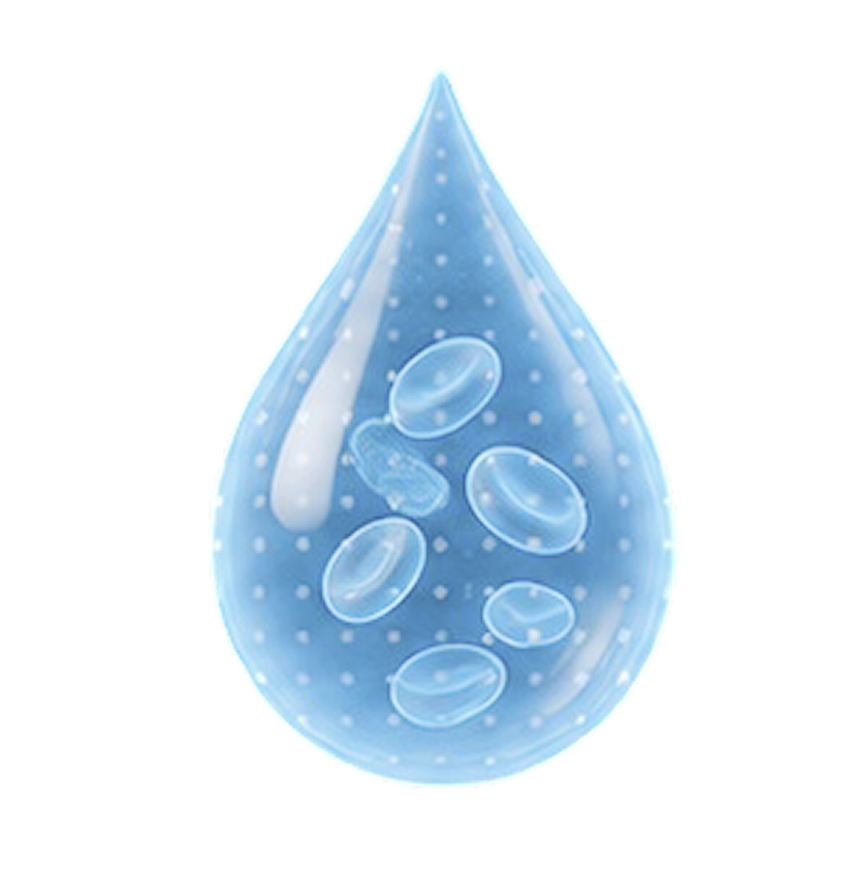
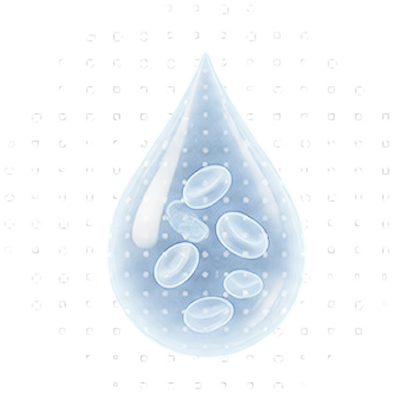
Your blood is the lifeline of your body. Nura’s advanced screening detects early signs of blood disorders like leukaemia, enabling timely intervention and better treatment outcomes.
0
%
Early detection accuracy
0
Minutes — full screening
Common yet often detected late
Nura identifies leukaemia at treatable stages
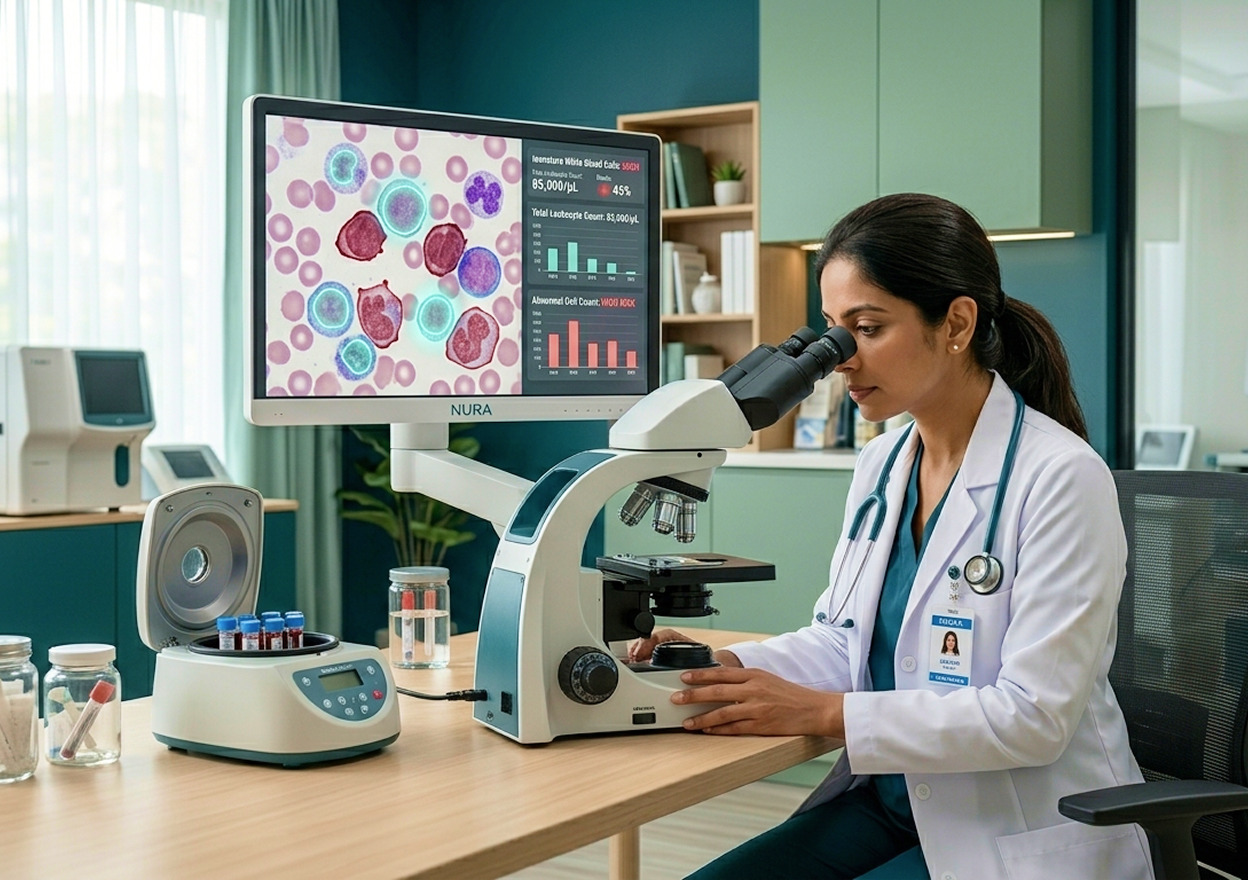
Leukaemia is a cancer of the body’s blood-forming tissues, including the bone marrow and the lymphatic system. Your white blood cells normally grow and divide in an orderly way, as your body needs them. But in the case of someone with leukaemia, the bone marrow produces abnormal white blood cells that don’t function properly.
Leukaemia is of two types, Acute, which comes on suddenly and Chronic, which lasts for a long period of time. Chronic leukaemia rarely occurs in children.

Types of Leukaemia
- Leukaemia usually involves the white blood cells and tends to affect either one of its types- lymphocytes and granulocytes.
- Cancer of the lymphocytes is called lymphocytic leukemia
- Cancer of the granulocytes is called myeloid or myelogenous leukemia.
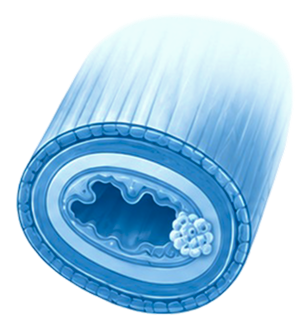
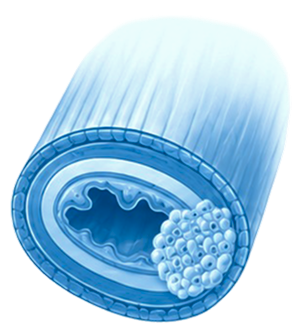
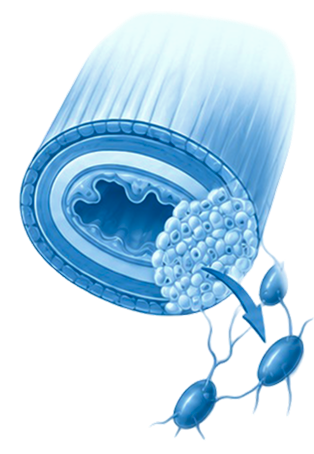
Stages of Leukaemia
Leukaemia often shows no obvious symptoms in the early stages, which is why regular screening is crucial for early detection and better outcomes.
- Stage(0) - Early
High lymphocyte count
Too many lymphocytes in the blood but no other symptoms can be seen.
- Stage - Early
Lymph node enlargement
Too many lymphocytes in the blood along with swollen lymph nodes
- Stage - Localised
Organ involvement
Too many lymphocytes in the blood along with swollen lymph nodes, spleen and liver
- Stage - Regional Spread
Anemia develops
Too many lymphocytes in the blood, affecting the development of red blood cells, leading to anemia
- Stage - Distant Spread
Severe complications
Too many lymphocytes in the blood, too few platelets and red blood cells. The lymph nodes, spleen, and liver may be swollen.
- Acute Myeloid Leukemia (AML) This type of cancer is not staged like other cancers as it usually does not form tumors. Treatment depends on the subtype of AML, the age of the patient, and other test results.
Risk Factors
Several lifestyle and environmental factors can significantly increase your risk of Leukaemia. Know them early.
- A family history of leukaemia increases your risk of developing the condition later in life
- Smoking and exposure to secondhand smoke increases your risk of developing acute myeloid leukaemia (AML)
- Genetic disorders such as Down syndrome increases your risk for leukaemia.
- Blood disorders such as myelodysplastic syndrome, which is sometimes called “preleukaemia” increase your risk of developing leukaemia
- Radiation from previous treatment for cancer or exposure to high levels of radiation
- Exposure to chemicals such as benzene increases your risk for leukaemia.
Nura Recommends :
Early screening is the smartest way to protect yourself. Nura’s advanced low-dose CT with Japanese Ai can detect lung issues years before symptoms appear.
- Start screening at age 35, or earlier if you have any of the above risk factors
- Annual screening gives the most accurate picture of your lung health
- No fasting, no preparation — quick and comfortable walk-in screening
- Get expert-reviewed reports on the same day
Screening for Leukaemia
Many types of leukaemia don’t show symptoms. Like all other cancers, early detection can help in successful treatment. At NURA, as part of the screening for Leukaemia we test for immature and unusual white blood cells.
Affects 1 in 6 adults in India
Nura detects early diabetes and related risks
Diabetes refers to a group of various diseases that affect how your body uses blood sugar (glucose). Glucose, at optimal quantities, is vital to your health being an important source of energy for your muscles and tissues. It’s also your brain’s main source of fuel.
The underlying cause of diabetes varies by type, but it usually leads to excess sugar in your blood, leading to serious health problems.
Screening for Diabetes
Blood tests help doctors evaluate multiple aspects of your health from how your organs are working.
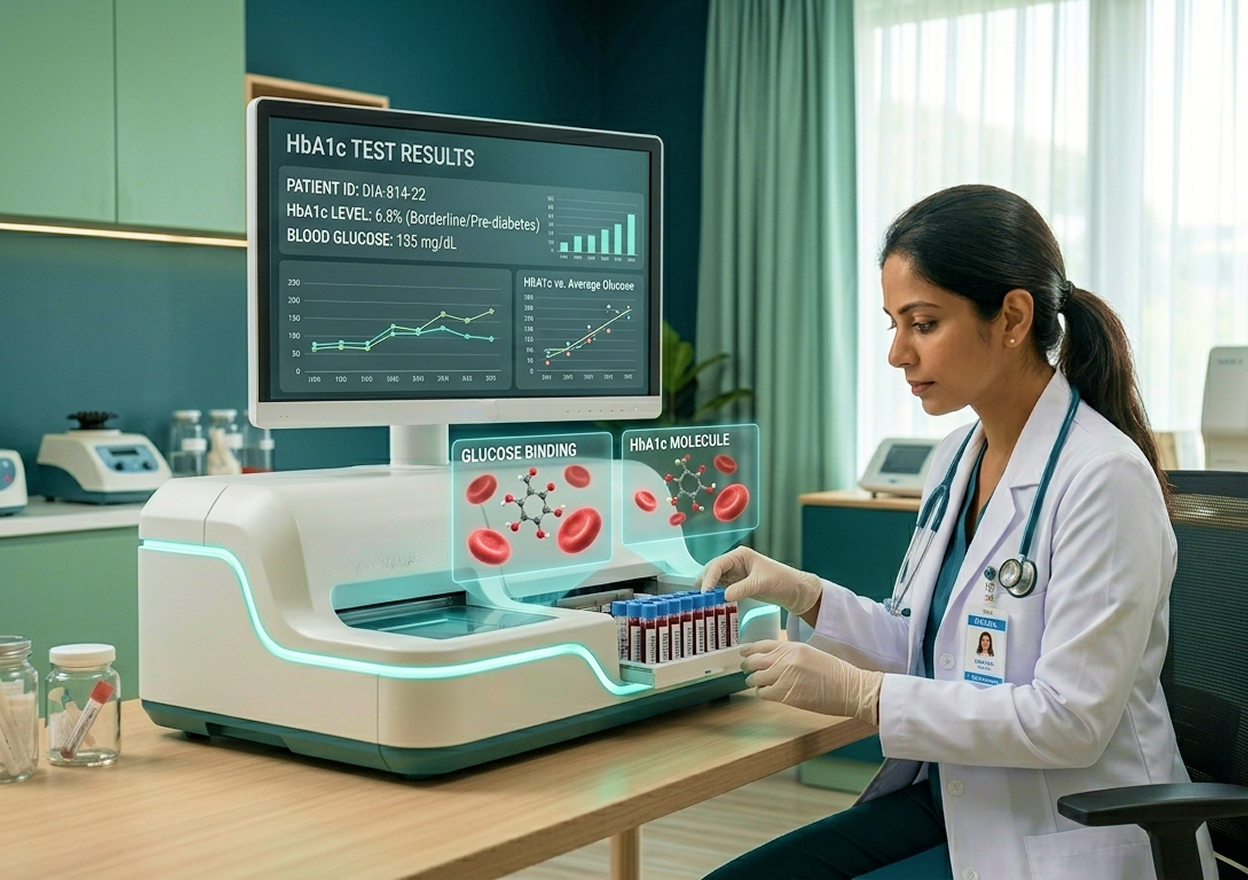
A hemoglobin A1c (HbA1c) test measures the average amount of blood sugar (glucose) attached to hemoglobin over the past 3 months, the typical life of the red blood cell. This test is used to check for diabetes in adults. If you already have diabetes, it can help monitor your condition and glucose levels. Diabetes is a risk factor for multiple other health conditions. The most common type of Diabetes is Type 2, but it can be prevented or delayed with simple lifestyle changes such as managing your weight, eating healthier and regular exercise.
Know what's happening inside your body
Explore your healthy screening results across 12 vital health parameters.
Lung Health
Silent until advanced. NURA’s Ai detects lung nodules years before symptoms appear.