Understanding Colon Health
Your colon plays a vital role in digestion and waste elimination. Nura’s advanced screening detects early polyps and colon cancer, enabling timely prevention and better treatment outcomes.
0
%
Early detection accuracy
0
Minutes — full screening
Colon Cancer
Rising rapidly in young adults
Nura detects colon cancer at the earliest, most treatable stage
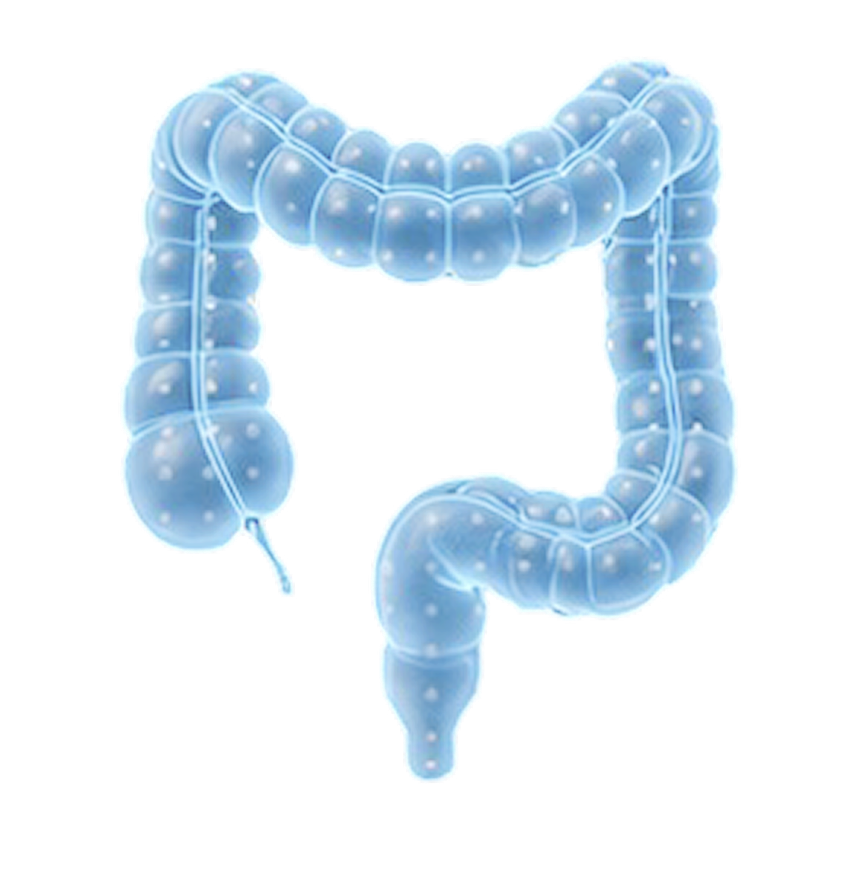
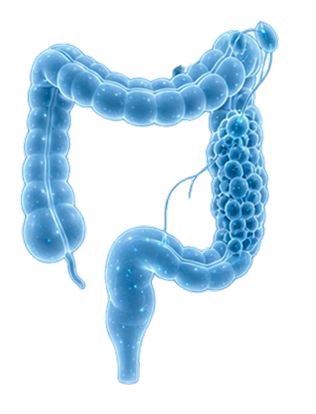
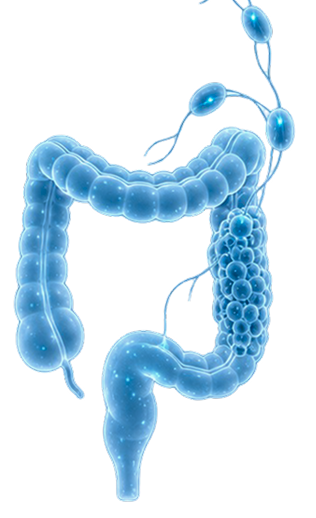
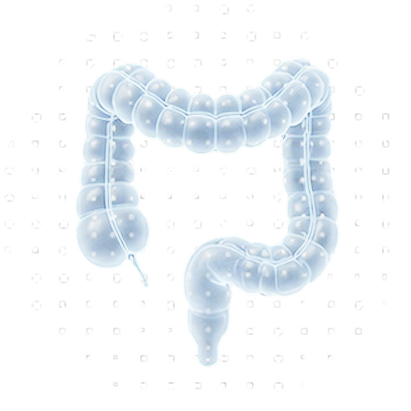
The colon is also called the large intestine, which is a 5 feet long, tube-like organ in the digestive tract, which absorbs water from the stool. Colon cancer usually begins when non-cancerous polyps in the lining of the colon become cancerous over a period of time. While there is no certain cause for colon cancer, adapting to a healthier lifestyle reduces your risk.
Colon Cancer
Colon Cancer
Compared to other countries, the instances of colon cancer are much lesser in India. It is often grouped together with rectal cancer as they have many similar features and called colorectal cancer.
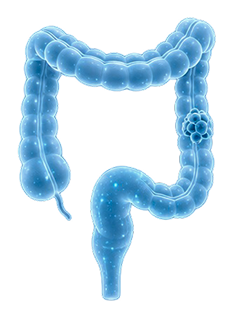
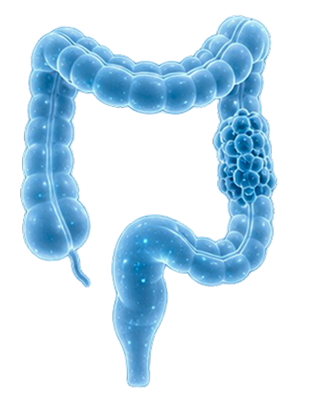
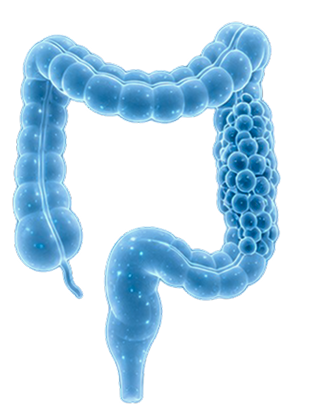
Stages of Colon Cancer
Colon cancer often shows no obvious symptoms in the early stages, which is why regular screening is crucial for early detection and better outcomes.
- Stage(0) - Early
Carcinoma in situ
Abnormal cells are limited to the innermost lining of the colon, where they started and have not spread elsewhere.
- Stage - Early
Confined to the colon
Cancer has formed in the innermost lining and has spread to the muscular layer of the colon. It has not spread to other nearby tissues or lymph nodes.
- Stage - Localised
Spread through colon wall
Cancer has grown through the wall of the colon or rectum into the lining of the abdomen and nearby structures. It has not spread to the nearby lymph nodes or elsewhere.
- Stage - Regional Spread
Distant Spread
Cancer has grown into the intestinal muscles and spread to lymph nodes but not to distant parts of the body.
- When cervical cancer is found at Stage I or II, the chances of successful treatment are dramatically higher. Nura’s advanced screening helps detect precancerous changes and early-stage cervical cancer — giving you peace of mind and better outcomes.
Risk Factors
Several lifestyle and environmental factors can significantly increase your risk of Colon cancer. Know them early.
- Older age, specifically over the age of 50, puts you at greater risk of colon cancer
- A personal history of colorectal polyps or colorectal cancer, like certain types of polyps known as ‘adenomatous polyps’ (adenomas) or you have had colorectal cancer earlier, increases your chances of developing new cancers in other areas of the colon and rectum
- A personal history of inflammatory bowel disease (IBD) like ulcerative colitis or Crohn’s disease ( types of inflammatory bowel diseases), increases your risk of developing colorectal cancer
- A family history of colorectal cancer in first degree relatives (parent, sibling, or child), especially if they developed it at a young age, increases your risk for colorectal cancer
- Inherited genetic syndromes passed through your family can increase your risk of colon cancer. These syndromes include familial adenomatous polyposis and hereditary nonpolyposis colorectal cancer (Lynch syndrome)
- Obesity, due to unhealthy eating and sedentary lifestyle increases risk not only for Colon cancer but multiple other diseases
- Smoking and exposure to secondhand smoke increases your risk of colon cancer
- Type 2 diabetes and insulin resistance, may increase your risk of colon cancer
- Excessive alcohol consumption increases risk not only for colon cancer but multiple other diseases
- An unhealthy diet that has high amounts of red and processed meats increases the risk of colon cancer
- Radiation therapy directed at the abdomen to treat previous cancers may increase your chances of developing colon cancer
Nura Recommends :
Early screening is the smartest way to protect yourself. Nura’s advanced low-dose CT with Japanese Ai can detect lung issues years before symptoms appear.
- Start screening at age 35, or earlier if you have any of the above risk factors
- Annual screening gives the most accurate picture of your lung health
- No fasting, no preparation — quick and comfortable walk-in screening
- Get expert-reviewed reports on the same day
Screening for Colon Cancer
Fecal immunochemical test (FIT) is a screening test used for detecting colon cancer. Blood vessels in larger colorectal polyps (abnormal tissue growths) and cancers are often fragile and can easily be damaged by the passage of stool. FIT tests for the presence of this hidden blood, as an early sign of precancerous or cancerous cells.
Since FIT only detects human blood from the lower intestines, presence of medicines and food does not interfere with the test. So, it tends to be more accurate and have fewer false positive results than other tests. FIT is less invasive and can be done at home.
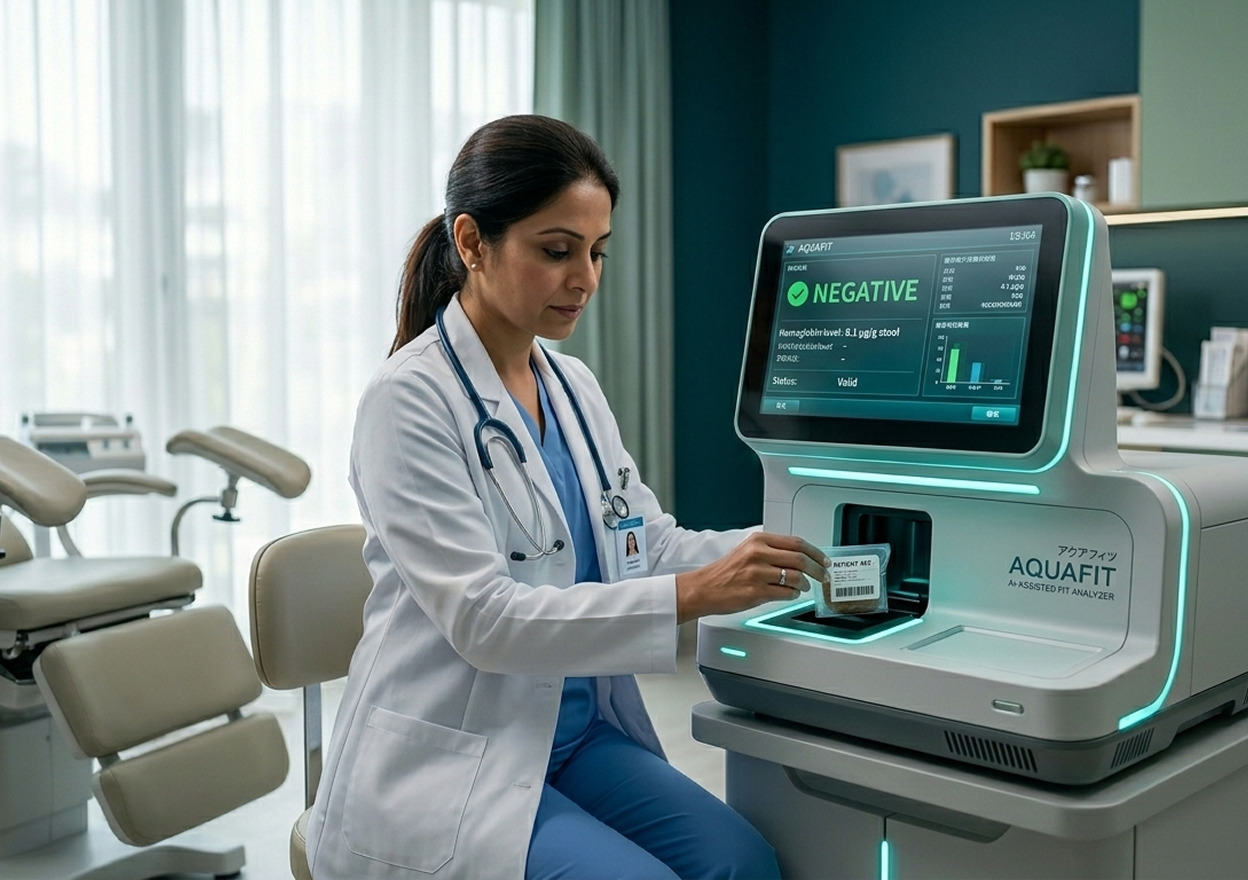
We use a high-quality FIT kit, developed in Japan, that requires a very small amount of stool. Our highly sensitive FIT machine can analyse the sample and produce accurate results in just 5 minutes.
Know what's happening inside your body
Explore your healthy screening results across 12 vital health parameters.
Lung Health
Silent until advanced. NURA’s Ai detects lung nodules years before symptoms appear.